Your home depends on electricity for almost everything, from keeping your refrigerator running to charging your phone and powering your entertainment system. But what happens when the voltage suddenly rises above its normal level?
A power surge can happen in an instant. While some surges are minor, others can damage sensitive electronics, affect appliances, and potentially shorten the lifespan of expensive equipment.
The good news is that there are ways to reduce these risks. Understanding how power surges happen and how whole-house surge protection works can help you make informed decisions about your home’s electrical safety.
What Is a Power Surge?
A power surge is a sudden increase in electrical voltage above the level your equipment is designed to handle. It may last only a fraction of a second, but that can be enough to damage sensitive electronic components.
Power surges can happen for several reasons, including:
- Lightning and severe weather: Nearby lightning strikes can cause voltage spikes that affect electrical systems.
- Utility grid issues: Problems with the power supply or electrical grid switching can sometimes cause voltage fluctuations.
- Large appliances switching on and off: Equipment such as air conditioners and other high-powered appliances can contribute to smaller, repeated voltage fluctuations within a property.
- Electrical faults: Problems with wiring or electrical connections may create conditions that affect the stability of your electrical supply.
Not every power surge causes immediate, visible damage. Smaller surges can sometimes contribute to gradual wear on sensitive electronics over time.
What Is a Whole-House Surge Protector?
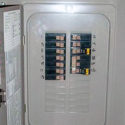
A whole-house surge protector is a device installed at or near your home’s electrical service panel. Its purpose is to help protect the electrical system by limiting the amount of surge voltage that reaches connected circuits.
When a surge occurs, the device helps divert excess electrical energy away from protected equipment, depending on the type of surge and the protection system installed.
Unlike a power strip with built-in surge protection, a whole-house system can provide protection across multiple circuits throughout the home.
However, no surge protector can prevent every type of electrical damage. The level of protection depends on the device, the installation, the grounding system, and the nature of the surge.
Which Appliances and Electronics Can Benefit from Surge Protection?
Modern homes contain more sensitive electronics than ever before. Many of these devices can be affected by sudden voltage changes.
Whole-house surge protection can help reduce the risk of surge-related damage to equipment such as:
Computers and home office equipment
Desktop computers, monitors, routers, and other networking equipment contain electronic components that may be vulnerable to voltage spikes.
Televisions and entertainment systems
Smart TVs, gaming consoles, streaming devices, and audio systems can all benefit from appropriate surge protection.
Kitchen and laundry appliances
Refrigerators, washing machines, dryers, and other modern appliances may contain electronic control boards that can be damaged by electrical surges.
Smart home devices
Security systems, smart thermostats, connected lighting, and other home automation equipment rely on electronic components that can be sensitive to electrical disturbances.
Whole-house surge protection is most effective when used as part of a layered approach. Plug-in surge protectors may still be appropriate for valuable electronics, particularly where additional protection is recommended by the equipment manufacturer.
Is a Whole-House Surge Protector Worth It?
For many homeowners, whole-house surge protection is worth considering, especially if the property contains expensive electronics, modern appliances, or a home office with essential equipment.
Here are a few reasons to discuss it with a qualified electrician.
1. Help Reduce the Risk of Equipment Damage
A properly selected and installed surge protector can help limit damaging voltage spikes reaching your home’s electrical circuits.
It cannot eliminate every risk, but it provides an additional layer of protection for the equipment you use every day.
2. Protect More Than One Room
A plug-in surge protector generally covers the equipment connected to it. A whole-house unit is designed to protect multiple circuits, making it a practical option for homeowners who want broader coverage.
3. Support a More Complete Electrical Safety Plan
Surge protection works best alongside properly maintained wiring, effective grounding and bonding, and suitable circuit protection.
An electrician can assess your existing electrical system and determine whether your home would benefit from additional protection.
4. Help Protect Modern Home Technology
From smart appliances to home networking equipment, many household devices now rely on delicate electronics. Adding surge protection can help reduce the risk of damage from certain electrical events.
Does Every Home Need Surge Protection?
Not every home has the same electrical requirements, but surge protection is worth considering for both older properties and newer homes.
You may want to discuss installation with an electrician if:
- You have recently purchased expensive appliances or electronics.
- Your home has a dedicated office or extensive home entertainment setup.
- You have experienced power disturbances or surge-related equipment damage.
- You are upgrading your electrical panel or renovating your home.
- You want to review your home’s overall electrical protection.
Even if you have never experienced a noticeable power surge, that does not mean one cannot occur. A professional assessment can help you understand the options available for your property.
Can You Install a Whole-House Surge Protector Yourself?
Whole-house surge protectors connect to your home’s electrical system, so installation should be handled by a qualified electrician.
A professional can assess the electrical panel, verify that the grounding and bonding arrangements are suitable, select an appropriate device, and install it according to applicable electrical requirements.
It is also important to understand that surge protection is not a substitute for correcting faulty wiring or other electrical problems. Any existing issues should be addressed as part of the installation assessment.
How Often Should a Surge Protector Be Checked?
Surge protectors can experience wear after repeated surge events. Some devices include an indicator light or status window that shows whether protection is still functioning, while others may require a different inspection method.
Check the manufacturer’s instructions for your particular unit and arrange an inspection if its status indicator shows a fault, the device has been damaged, or you suspect it has experienced a significant surge.
If you are unsure whether your existing surge protection is still working, an electrician can inspect the installation and recommend whether replacement is needed.
Protect Your Home with Professional Surge Protection in Los Angeles
Power surges are not always predictable, but you can take practical steps to reduce the risk of electrical damage. A whole-house surge protector, combined with suitable plug-in protection and a properly maintained electrical system, can provide an additional layer of defence for your home and the devices you rely on.
At USA Electric, we have been providing residential and commercial electrical services throughout the Los Angeles area since 1985. Our team can help you understand your surge protection options and determine what may be suitable for your home’s electrical system.
If you are considering whole-house surge protection or want to have your electrical panel assessed, contact USA Electric to discuss your needs and arrange professional service.
Don’t wait until a power surge damages your equipment. Take a proactive approach to protecting your home.
Frequently Asked Questions
What causes a power surge in a home?
Power surges can result from utility grid disturbances, nearby lightning strikes, electrical faults, or changes in electrical loads. The cause and severity can vary.
Does a whole-house surge protector protect every appliance?
It is designed to provide protection across multiple circuits, but no device can guarantee protection against every surge. Additional plug-in protection may be appropriate for sensitive electronics.
Is a whole-house surge protector better than a surge-protecting power strip?
They serve different purposes. A whole-house unit provides protection at the electrical service panel, while a surge-protecting power strip provides protection for equipment plugged into it. Using both may offer a more comprehensive approach.
How much does whole-house surge protection cost in Los Angeles?
The total cost depends on the device selected, your existing electrical panel, installation requirements, and whether any additional electrical work is needed. Contact a qualified electrician for a quote based on your property.
Can a surge protector prevent damage from a direct lightning strike?
No surge protector can guarantee protection against a direct lightning strike or every lightning-related electrical event. Proper grounding, appropriate surge protection, and other recommended safety measures can help reduce certain risks.
Who should install a whole-house surge protector?
A qualified electrician should assess and install the device to ensure it is compatible with your electrical system and installed in accordance with applicable requirements.